
A 2-Day itinerary to see the Nebraska Sandhill Crane Migration
The Midwest has largely been unexplored territory for me. It’s one part of the country where I don’t have family or friends, and, until recently, no real reason to visit. But in my quest to reach all fifty states before turning fifty, the time had finally come to make my way to Nebraska.
I struggled to find the right reason to go. While the Visit Nebraska ads featuring “tanking” (floating down a river in a horse trough) looked fun, I couldn’t quite justify flying to Omaha just for that, especially when we have tubing an hour from home in Harpers Ferry and Berryville. Then, a friend who worked for the Audubon Society said, “You have to go to Nebraska to see the Sandhill Crane migration.” Now that sounded like a truly unique experience. Knowing absolutely nothing about birds, let alone cranes, I booked the trip.
My 12-year-old daughter surprisingly wanted to come along. My cousin in Columbia, Missouri then said, “That’s only a six-hour drive from me – I’m in too!”. With that, we were off to completely unknown territory.
Practical Takeaways
- The Sandhill Cranes migrate through Nebraska from late February to early April, a short and somewhat unpredictable window. As we quickly learned, Nebraska weather can swing wildly. We experienced 70-degree sunshine one day and temperatures in the teens with 60 mph winds the next.
- Cranes can be viewed along the Platte River, between Grand Island and Kearney. We chose to stay in Grand Island, a two-hour drive from Omaha. Both towns offer good lodging and activities.
- And importantly: you don’t need to be a birder, or know anything about cranes, to appreciate this experience. Two excellent visitor centers provide plenty of education and context for first-timers.
The Crane Experience
The first question you might ask is: Why do 500,000 cranes stop in Nebraska each March?
Nebraska serves as a critical midpoint in their migration from Mexico to Alaska and Siberia. The shallow waters of the Platte River provide a safe place to roost at night. Nearby farmland offers an abundant food supply of leftover corn. Another key factor: cranes are not hunted in Nebraska. In other states, they’re sometimes referred to as “rib meat in the sky,” but here, they’ve learned they are safe. These are remarkably intelligent birds, with a lineage dating back to the age of dinosaurs.
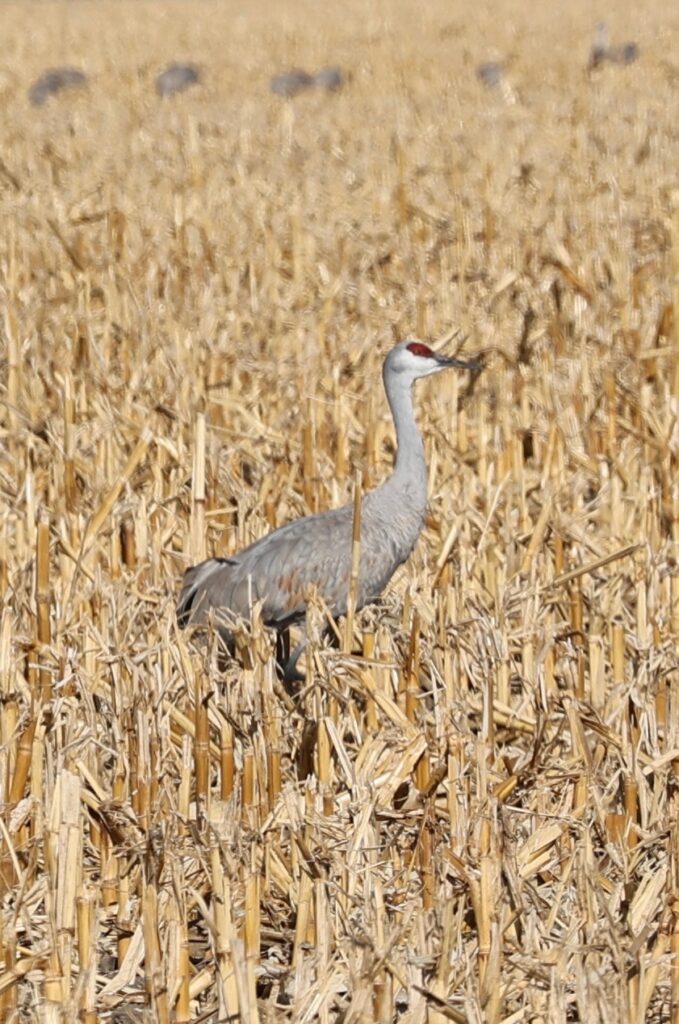
Knowing little beyond that, we signed up for a sunrise viewing tour through the Crane Trust to fully experience the migration. We felt that, having traveled this far, it was worth learning from the experts. (It’s certainly possible to see cranes on your own, though).
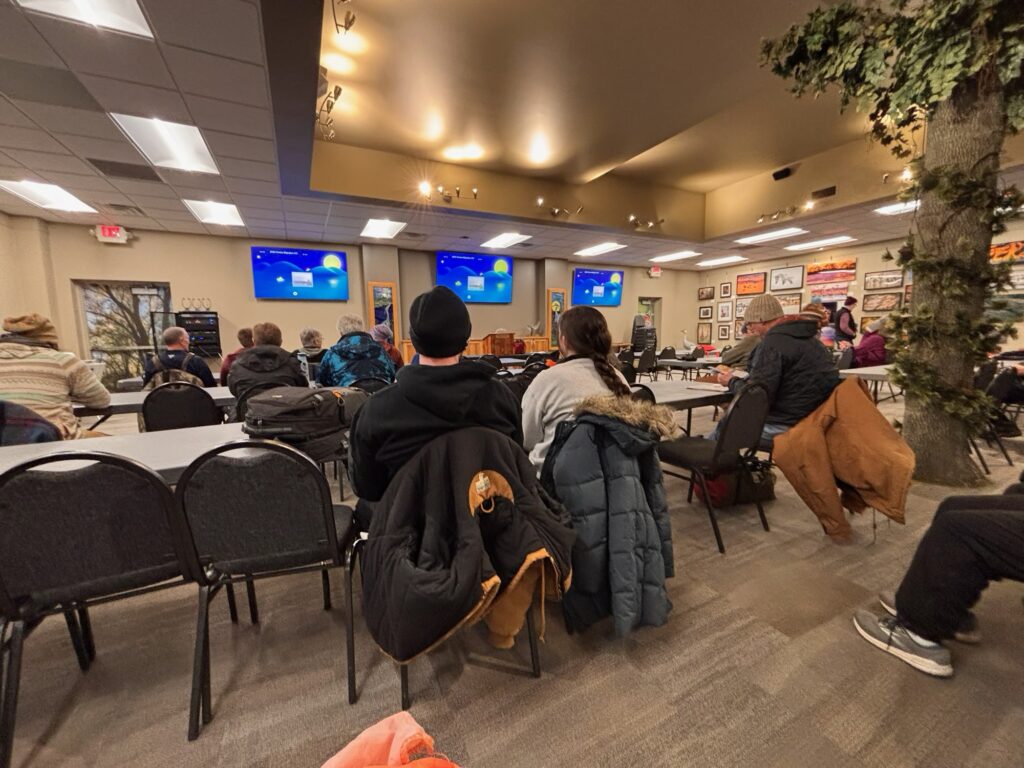
We arrived at the Crane Trust Visitor Center at 5:45 a.m. After checking in, we watched a short orientation video alongside about 30 other visitors, some of whom had traveled from as far as Germany. We then caravanned to a nearby field, parked, and began a short hike in complete darkness and silence. Even the smallest noise or light could startle the birds.
The trail led us to bird blinds, essentially heated huts with plexiglass viewing panels overlooking the river. By 7:00 a.m., the sky began to lighten. Though we couldn’t yet see the cranes, we could hear them. The sound was overwhelming – a full, echoing cacophony that seemed to surround us.
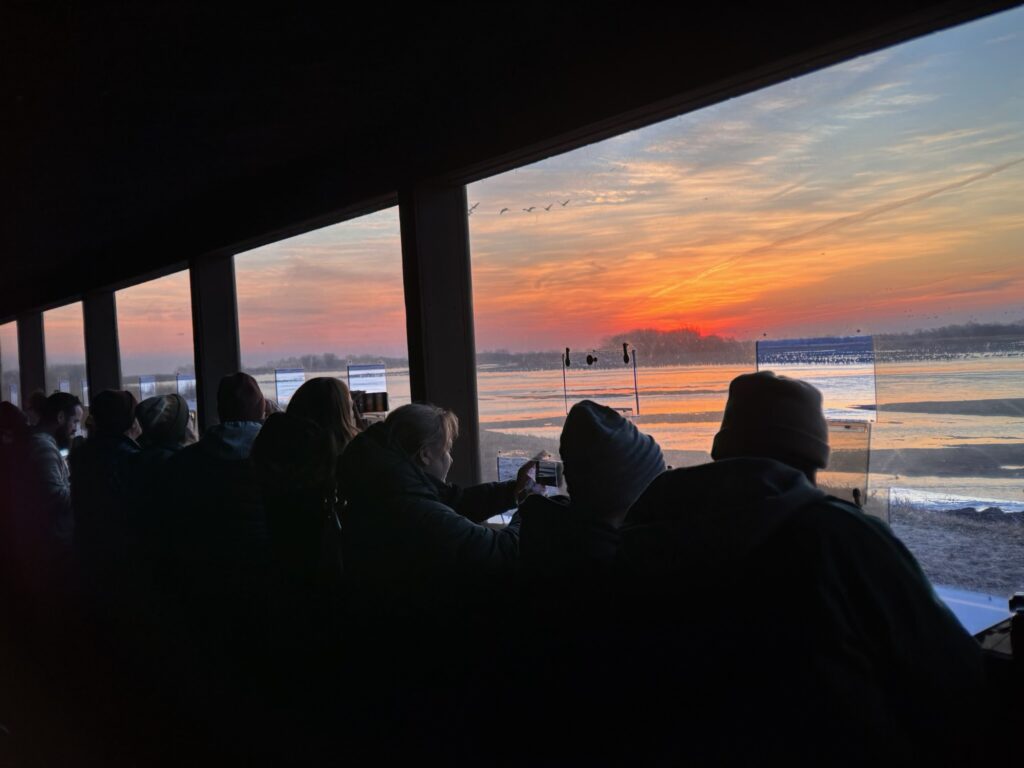
As the light slowly increased, the scene revealed itself: thousands upon thousands of cranes, 5,000 to 6,000 right in front of us, had been there all along, hidden in the darkness.
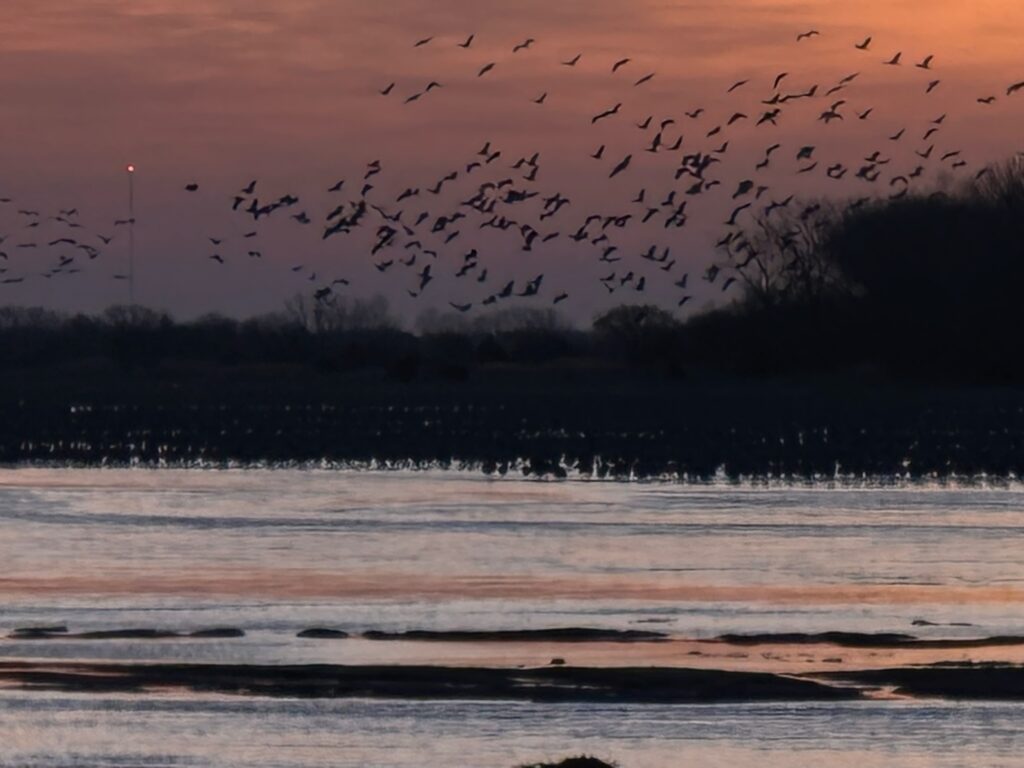
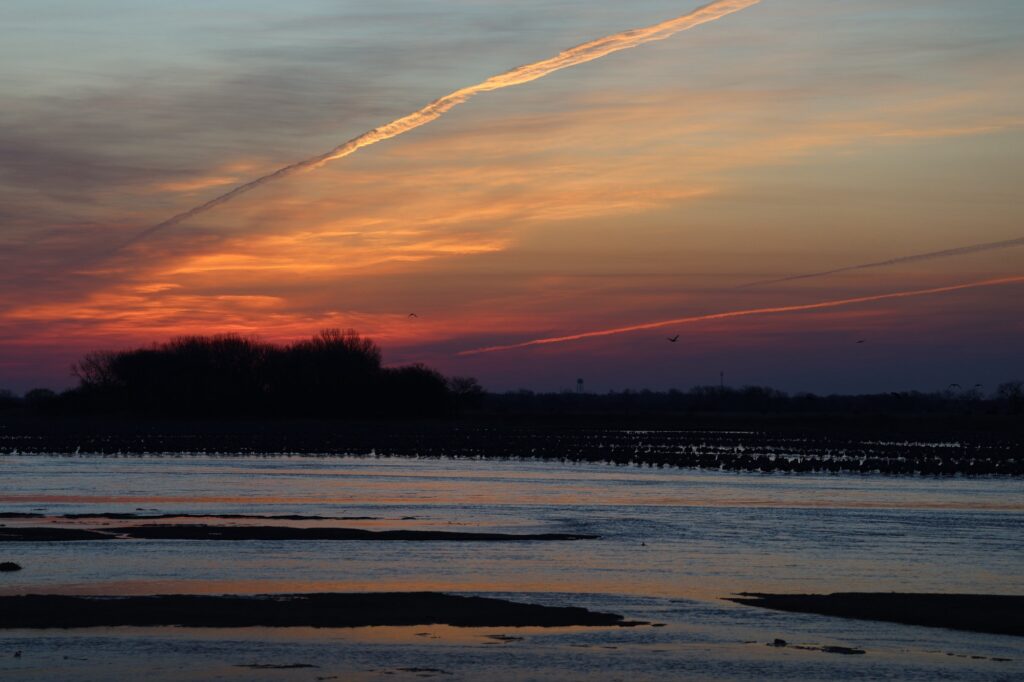
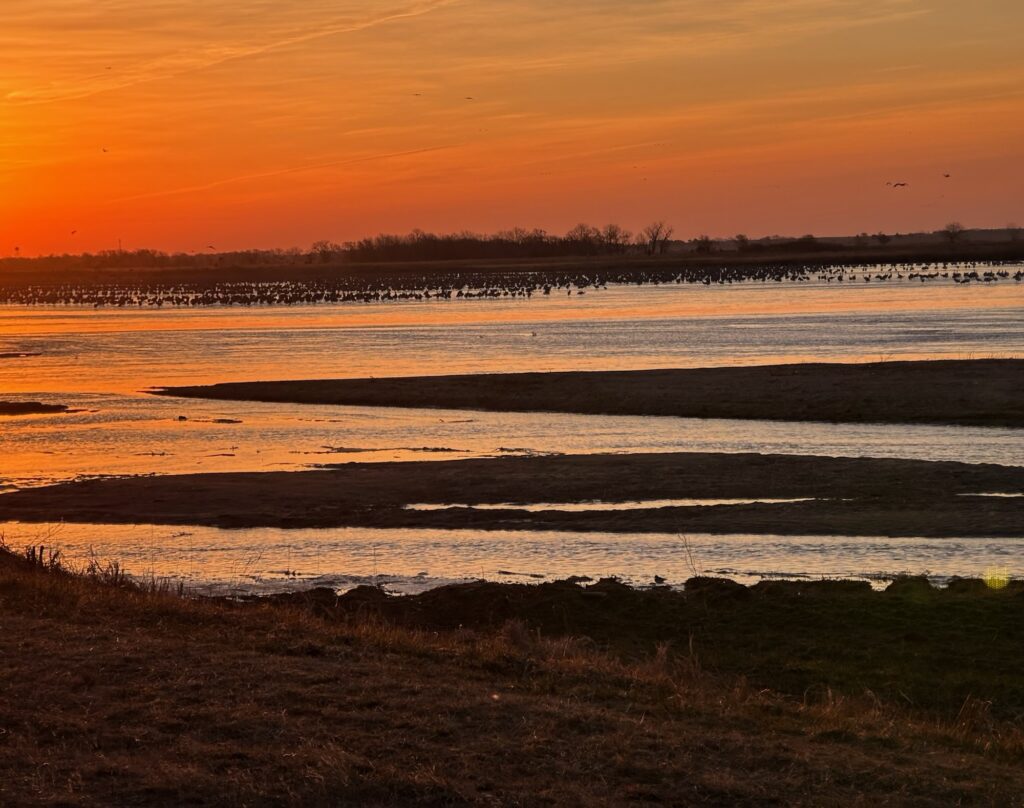
As the sun rose higher, the cranes began lifting off in waves, heading out to nearby fields for the day. Gradually, the stillness in the blinds gave way to quiet conversation as we all took in the truly majestic scene we had just witnessed.
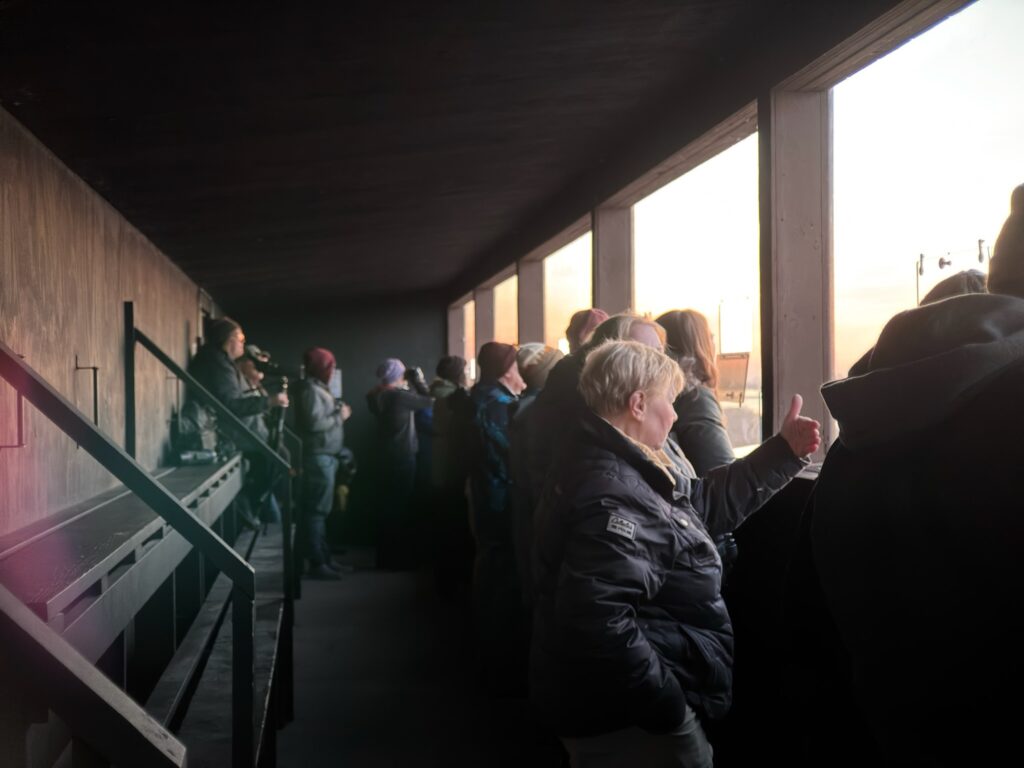
By 8:30 a.m., we were back at the visitor center, warming up with coffee and cinnamon rolls.
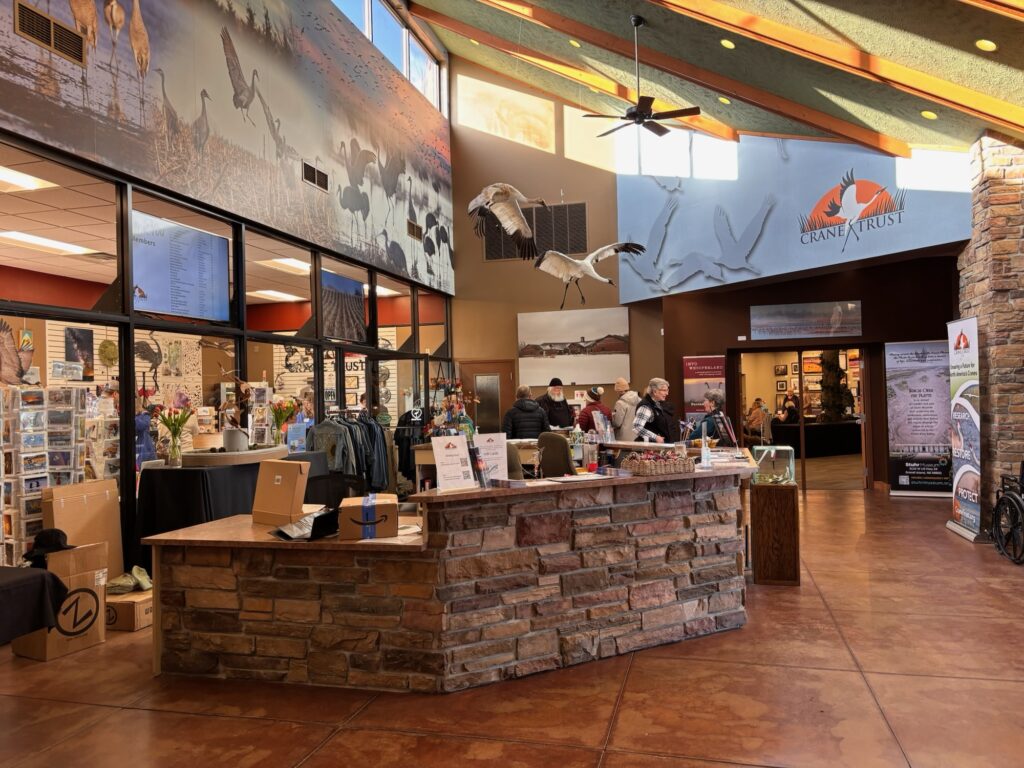
Armed with a driving tour guide from the center, we spent the late morning exploring backroads along the Platte River, stopping frequently to watch and photograph cranes in daylight. In hindsight, the guide wasn’t entirely necessary as the birds were everywhere between Grand Island and Kearney.
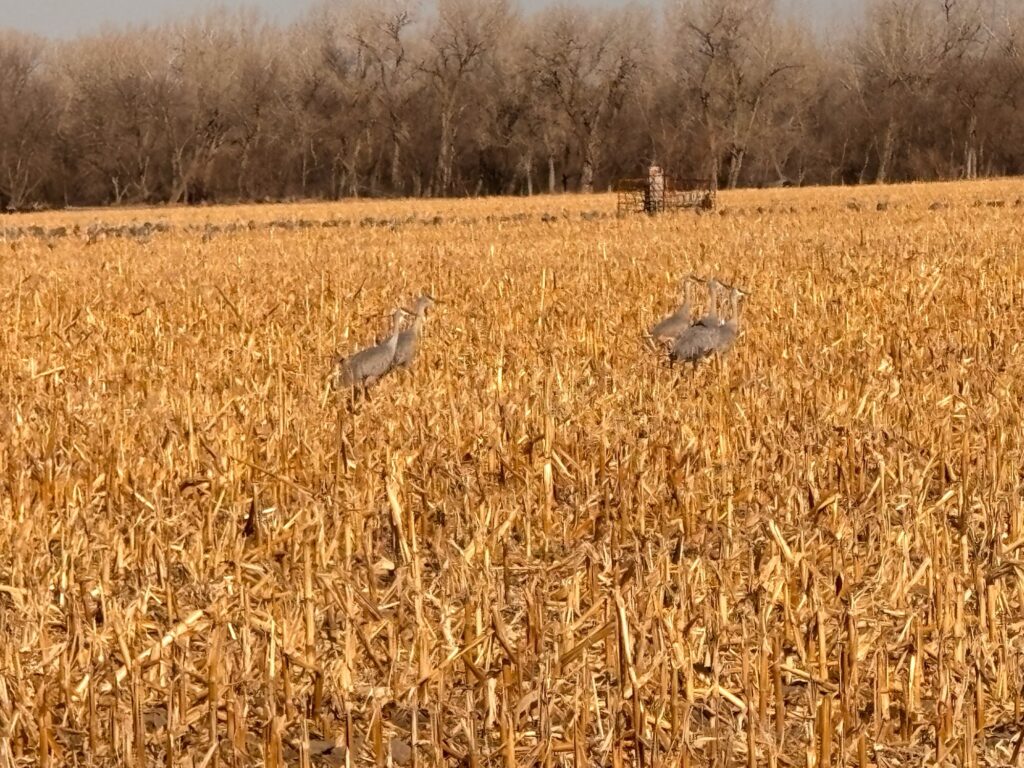


By 11:00 a.m., we found ourselves in the small town of Gibbon, enjoying surprisingly delicious breakfast burritos at Rise and Grind before heading to the Rowe Audubon Visitor Center for a 1:00 p.m. lecture on Sandhill Cranes.


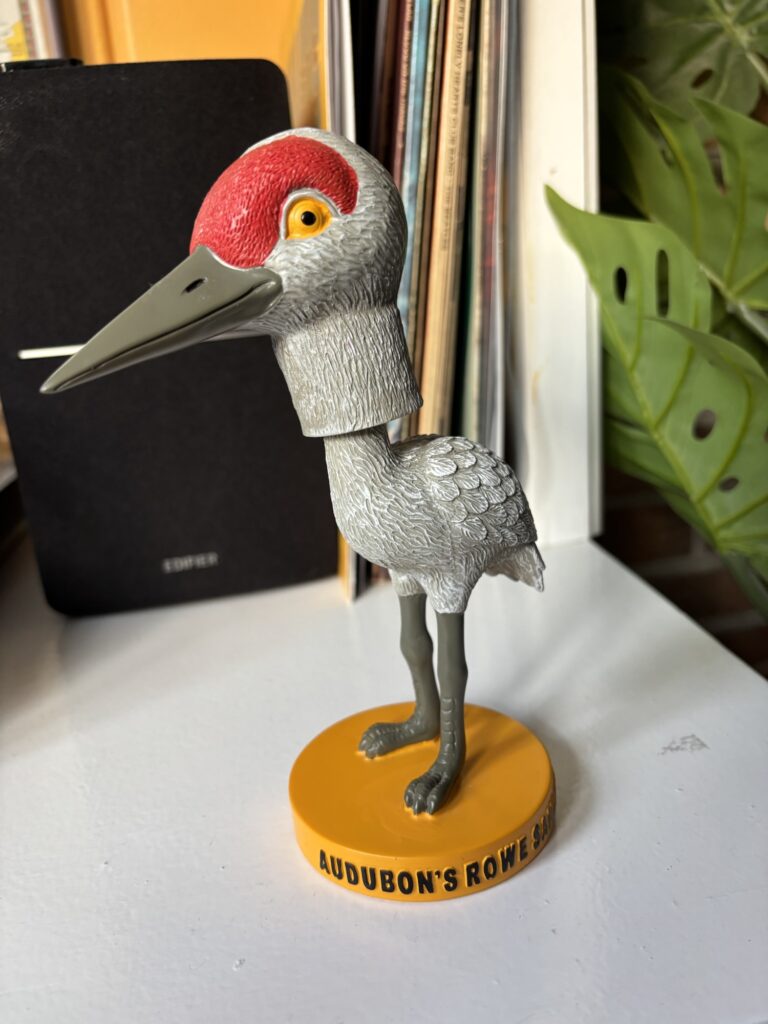
While we felt it was important to deepen our understanding of what we’d just seen, we’ll admit: exhaustion hit hard. A nap back in Grand Island might have been the wiser choice before any other activity. (Apologies to the presenter – we promise it was fascinating, even if we struggled to stay awake!). We did take away a deeper understanding of both Sandhill Cranes and Whooping Cranes…and also spent some time in the gift shop where I purchased a hilarious Sandhill Crane bobblehead.
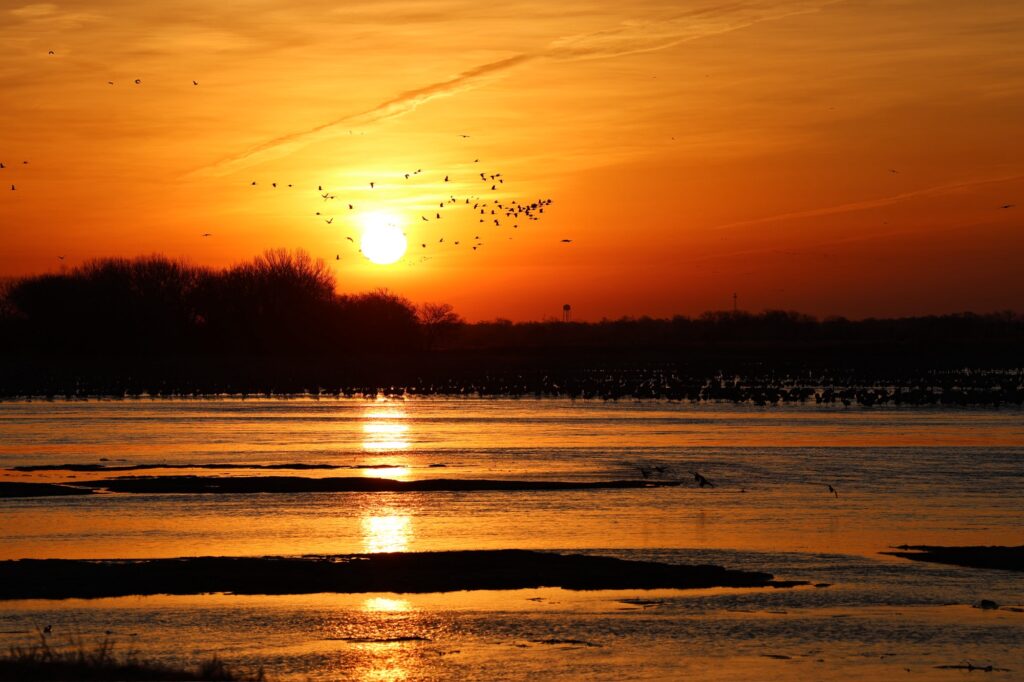
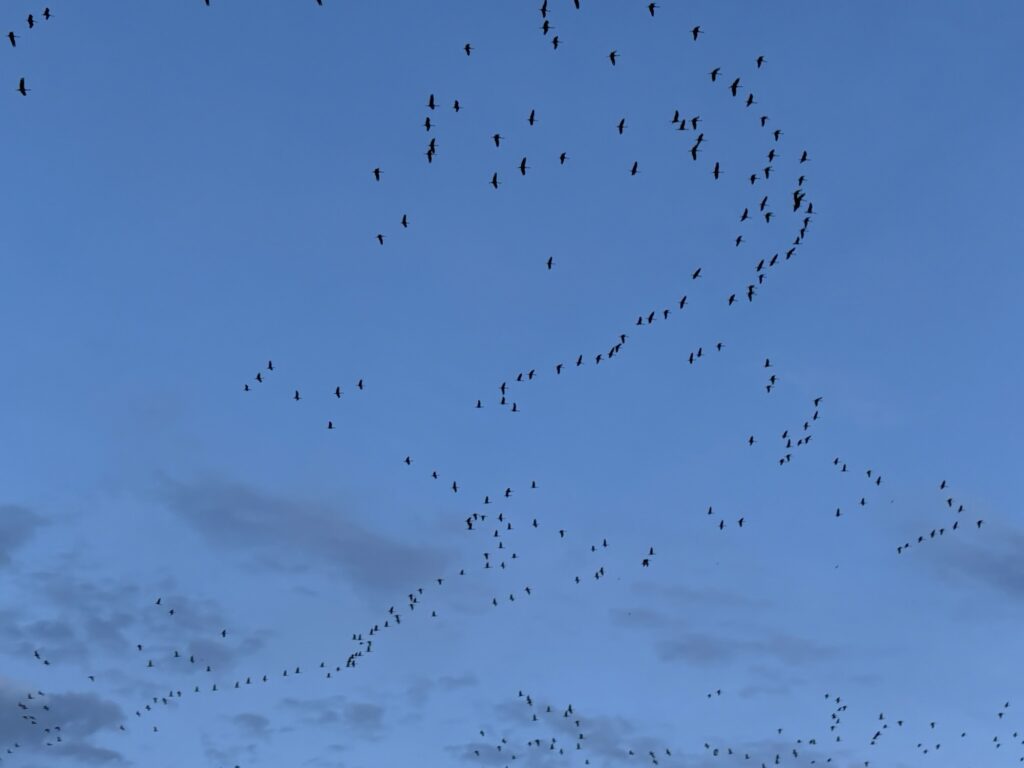
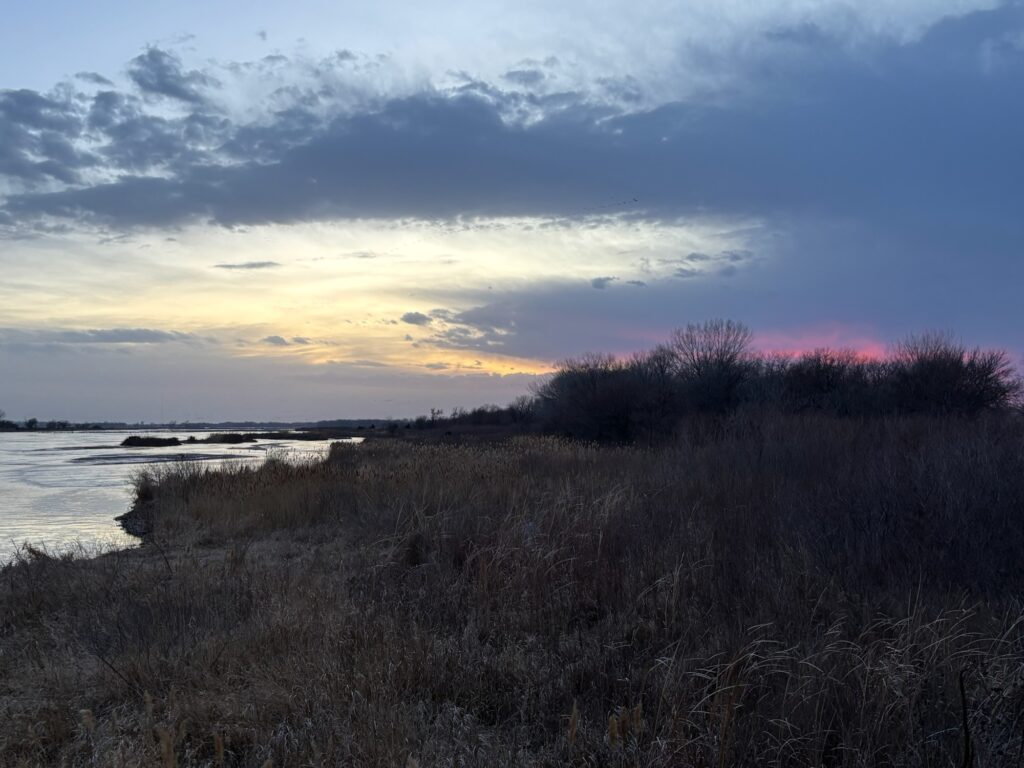
Had we been more energized, we planned to visit the Archway Museum spanning I-80. Instead, we returned to Grand Island, rested, and later headed out for dinner before catching one final crane viewing at sunset at the Alda Crane Viewing Deck. This was spectacular – thousands of cranes flying overhead, returning to the river in waves to roost for the night.
Where We Stayed and What We Discovered
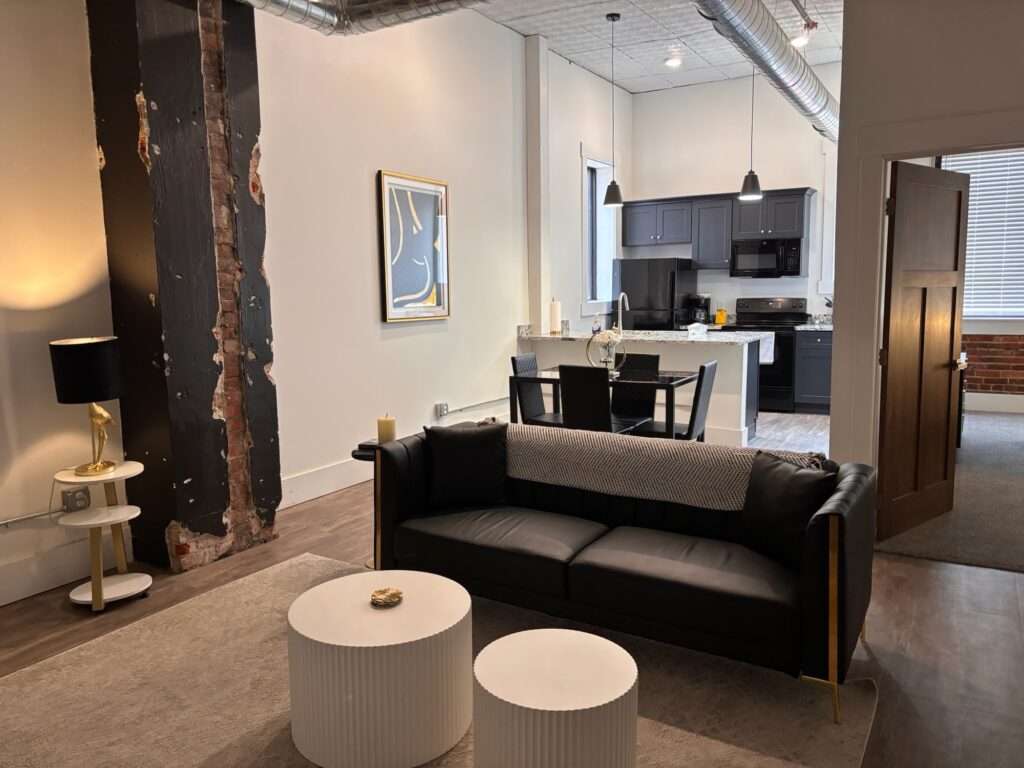
Since there were three of us and we wanted two rooms, I searched for a short-term rental in either Kearney or Grand Island. We also wanted a kitchen for flexibility, especially with our early mornings. The place we found in downtown Grand Island through VRBO was perfect. It was walkable to shops and restaurants, well-equipped, and hosted by incredibly responsive owners. At one point, they even offered to stop by and turn off an appliance we had accidentally left on, saving us from cutting short our crane excursion.
We also had a wonderful experience at Rooted Books, just down the street. The owner, who is also the local high school principal, welcomed us warmly and shared thoughtful recommendations that helped us experience the community more fully.


One of the biggest surprises was Grand Island’s vibrant immigrant food scene and local shops, which our new friend at the bookstore pointed us to.
Some highlights included:
- Everest Indian Kitchen
- Pham’s Coffee & Boba (the strawberry horchata boba tea was a standout)
- Tacos Los Hermanos
- Exploring the 4th Street corridor, including many Hispanic-owned grocery stores


Helpful Hints
- We chose the sunrise tour through the Crane Trust, which is not an option for kids under age 12 (understandably so – sitting in complete silence, in the dark, with no restroom access for almost two hours is difficult for adults, let alone kids!). Both the Crane Trust and Rowe Sanctuary offer other options for all ages. Rowe even provides a more weather-proof option on their patio, allowing visitors of all ages the chance to meander in and out of their building as needed.
- Bring binoculars, though the visitor centers do supply them if you don’t have your own. I also brought an iphone camera lens attachment. I am not a photographer and not a birder so I was hesitant to invest in a lot of gear. I captured the photos in this post by using a Moment lens. It was easy to keep in my pocket without hauling a large camera around and was all I needed as a novice.
- Dress in layers. We even packed battery-operated heated socks and hand warmers, and were glad we did. The weather swings were unlike anything I’ve experienced.
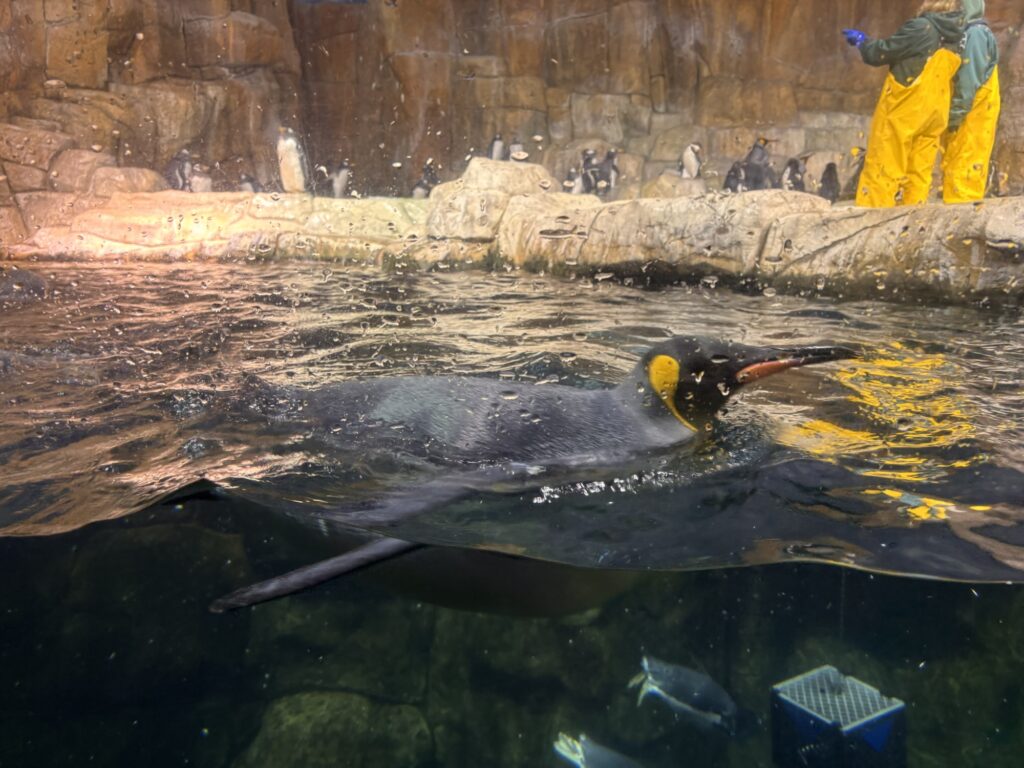
- We began our trip in Omaha, where we visited the Henry Doorly Zoo and had lunch in the Old Market district. The zoo is widely considered one of the best in the country and it absolutely lived up to the reputation. The Desert Dome and Jungle exhibits were especially memorable. Even on a cold day, much of the zoo is indoors, making it a great year-round activity.

- Finally, a word of caution: Midwest travel in March can be unpredictable. Like our previous trips to the region, our return travel was heavily disrupted. Strong winds canceled our flight out of Omaha, sending us on an unexpected four-hour drive to Kansas City, only to have that flight canceled as well. The next flight they booked us on was also canceled. Eventually, we pieced together a route home via New York City, followed by a train back to DC. Somewhere along the way, we found ourselves eating matzo ball soup and drinking Dr. Brown’s soda, laughing at the absurdity of it all. So here’s my final piece of advice: if you’re traveling to Nebraska in March, pack patience. You may just find yourself on an adventure you never planned.


What a great idea experience!
I’m impressed!!
Loved this. Longer note seems to have evaporated. You are so gifted at this; wonderful that you do it.
I love how you embraced the unknown and ended up experiencing such a unique side of Nebraska. The Sandhill Crane migration sounds like a truly magical sight, especially with the sunrise tour. Plus, all the local food recommendations and the surprises along the way (like the Wizard of Oz restaurant) just make it even more memorable! Looks like it was totally worth the unpredictable travel hiccups.
You’re giving Nora, the rest of the family, and all of your friends and followers great insights into your fun trips, inspiring us to continue finding new and surprising things ourselves. Thank you!